Tai Chi vs Yoga: The Mindful-Movement Comparison for Choosing Your Practice
Tai chi and yoga share a shelf — the mindful-movement traditions with modern evidence — and differ where it matters for choosing: the standing versus the mat, the flowing versus the holding, the sequence versus the pose. The comparison guide.
The Profiles Compared
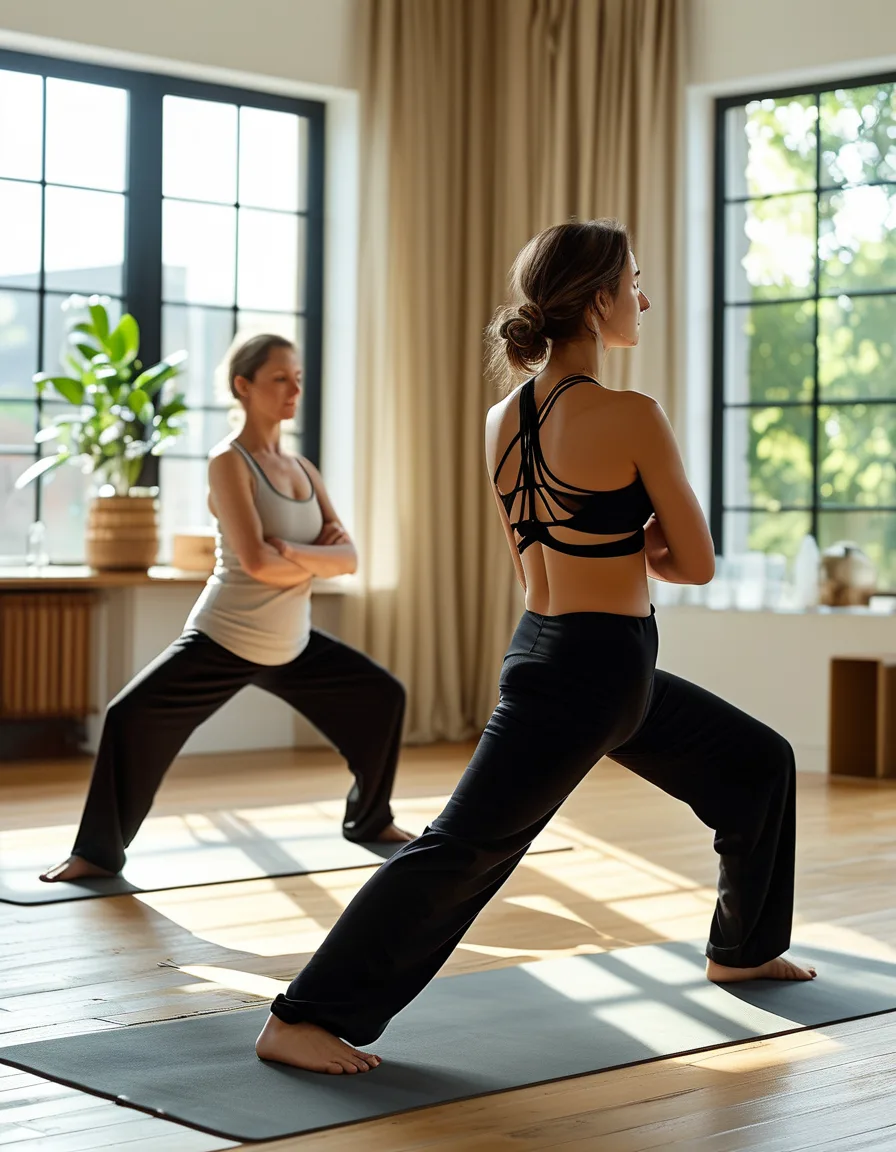
What each practice is: the movement signatures (the tai chi’s continuous standing flow — the weight-shifting sequence that never stops; the yoga’s pose-and-hold architecture with flowing transitions per the yoga doctrine; the moving-river versus the shape-library), the physical demands (the tai chi’s gentle-on-everything entry — the no-floor-work advantage for the knee-and-wrist limited per the accessibility doctrine; the yoga’s broader strength-and-flexibility demands with its modification culture from the modification doctrine), the balance emphasis (the tai chi being balance training DISGUISED — the single-leg transitions and weight shifts from the balance doctrine; the falls-prevention evidence being tai chi’s signature per the falls doctrine), the flexibility emphasis (the yoga owning the range-of-motion lane — the stretch-and-mobility development from the mobility doctrine), the strength comparison (the yoga’s bodyweight loading — the planks-and-warriors building more strength; the tai chi’s legs-quietly-burning honesty), and the breath-and-mind styles (the both braiding breath-and-attention — the tai chi’s movement-anchored versus the yoga’s pose-and-breath anchored per the meditation doctrine).
The Matching Guide
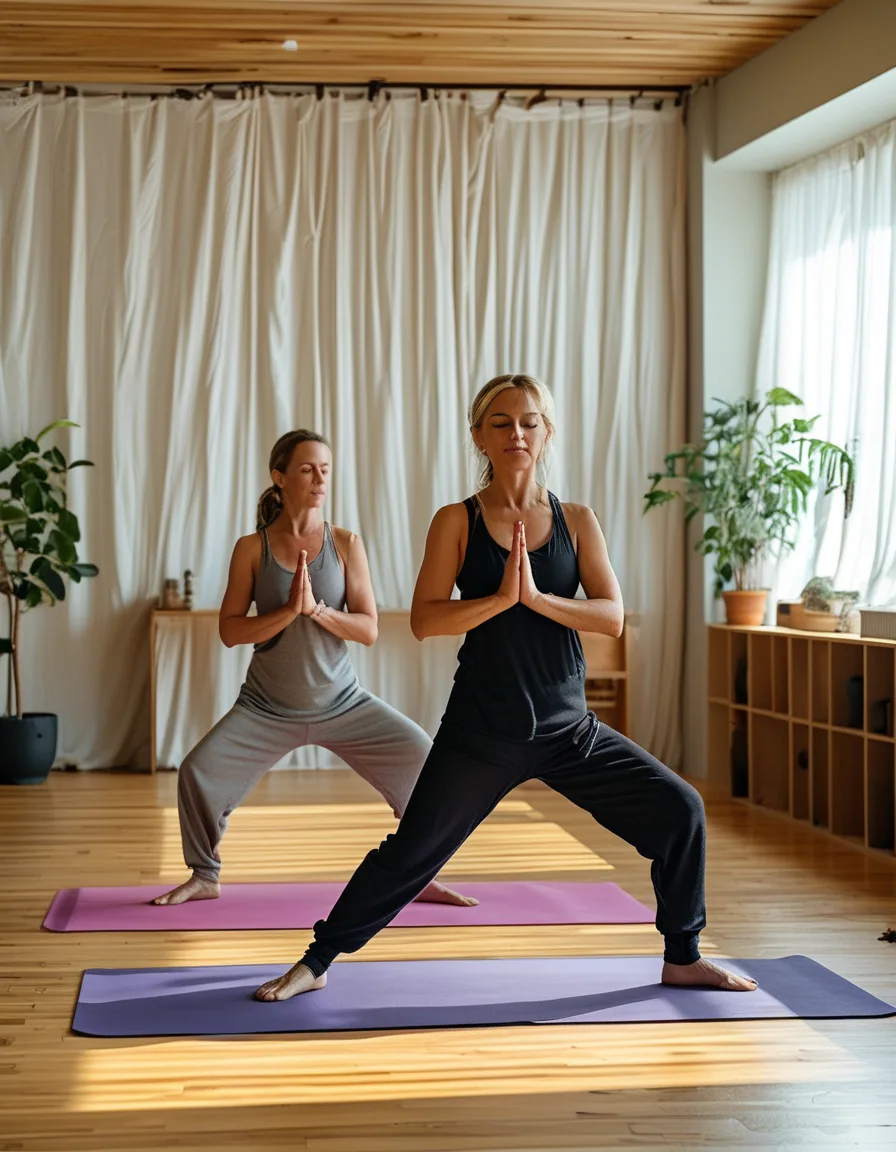
Practice by person: the falls-and-balance priority (the tai chi decisively — the older-adult evidence from the falls doctrine; the standing-only format for the floor-averse), the flexibility-and-strength goals (the yoga leaning — the mobility-and-load development per the yoga doctrine), the joint-sensitive entry (the tai chi’s gentler floor — the no-wrists, no-kneeling default; the chair-adapted forms existing per the accessibility doctrine; the yoga’s modifications working but requiring navigation), the stress-relief seekers (the both delivering — the tai chi for the sitting-still-averse per the stress doctrine; the yoga’s restorative wing for the hold-and-release lovers from the restorative doctrine), the learning-style match (the tai chi’s sequence-memorization appeal for the pattern-lovers — the choreography brain from the dance doctrine; the yoga’s pose-vocabulary suiting the milestone-collectors), the class-availability reality (the yoga’s ubiquity versus the tai chi’s sparser map — the video-learning viability for both per the home doctrine; the local-offering audit deciding practically), and the temperature-and-culture notes (the yoga’s style spectrum from the styles doctrine — the tai chi’s quieter, older-skewing rooms; the vibe sampled per the trial doctrine).
The Both-Practices Design
Using the pair: the complementary split (the tai chi’s balance-and-flow beside the yoga’s strength-and-stretch — the gaps covering each other; the week with both being genuinely complete mindful movement per the program doctrine), the sample week (the two yoga sessions for strength-and-mobility, the two tai-chi sessions for balance-and-calm — the morning tai chi and evening yoga placement options from the respective doctrines), the season-of-life flexing (the injury-and-flare seasons leaning tai chi per the flare doctrine — the training-hard seasons using yoga’s recovery wing), the entry-sequence suggestion (the start with WHICHEVER has the better local class — the practice begun beating the practice debated per the start doctrine; the second added after the first is habit), the age-arc note (the yoga-now-tai-chi-later pattern being common and fine — the both-forever option better; the tai chi’s late-life dividends from the falls doctrine banked early), and the closing verdict (the no-loser comparison — the flowing stand versus the holding mat; the both braiding movement-breath-attention toward the same calm; the choice by body, goal and available Tuesday-night class; the practice, either way, begun). Tai chi for balance and gentle entry, yoga for strength and stretch, both for the complete week: the practices, matched not ranked.
Tai chi is continuous standing flow — the balance-and-falls-prevention champion with the gentlest entry (no floor, no wrists); yoga owns strength and flexibility with its pose-and-hold architecture. Both braid movement, breath and attention toward calm — pick by your body and the better local class, and the pair together covers everything.
Keep Reading
This article is for general informational purposes only and is not medical advice. Always consult a qualified health professional for guidance specific to you.