Tai Chi Breathing and Mindfulness: The Calm Within the Movement
The slow, flowing movements of tai chi are only half the practice — the breath and mindful attention within them are what make it so deeply calming. Learning to breathe and focus properly transforms tai chi from gentle exercise into a moving meditation. Here is why breath is the heart of tai chi, how to practice it, and how to deepen the calm.
Why Breath Is the Heart of Tai Chi
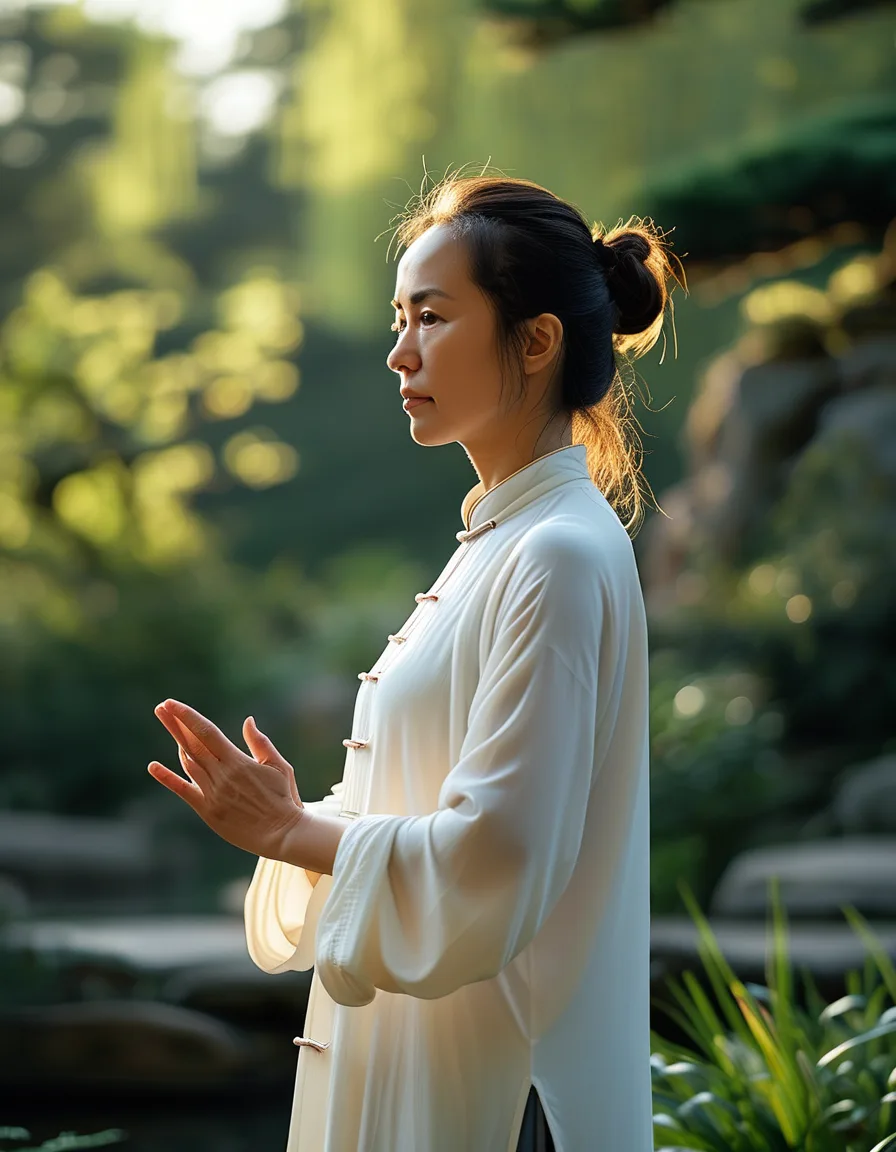
The calm within the movement: the the-breath-leads-the-movement (the the slow movements coordinated with the breath, making it a moving meditation from the stress logic — the breath-and-motion-as-one), the the-calms-the-nervous-system (the slow, deep breathing shifting you into a calm, rest-and-digest state from the nervous-system logic — the calm-the-system), the the-focus-quiets-the-mind (the the attention on breath and movement leaving no room to ruminate — the present-not-spiraling), the the-mind-body-connection (the breath linking the mind and the moving body from the beginners logic — the the-connection), the the-more-than-exercise (the the meditative quality being what sets tai chi apart from the vs-yoga logic — the the-meditative-heart), and the reframe (the tai chi breath as the heart of the practice — the calm and focus that turn gentle movement into moving meditation).
How to Practice It
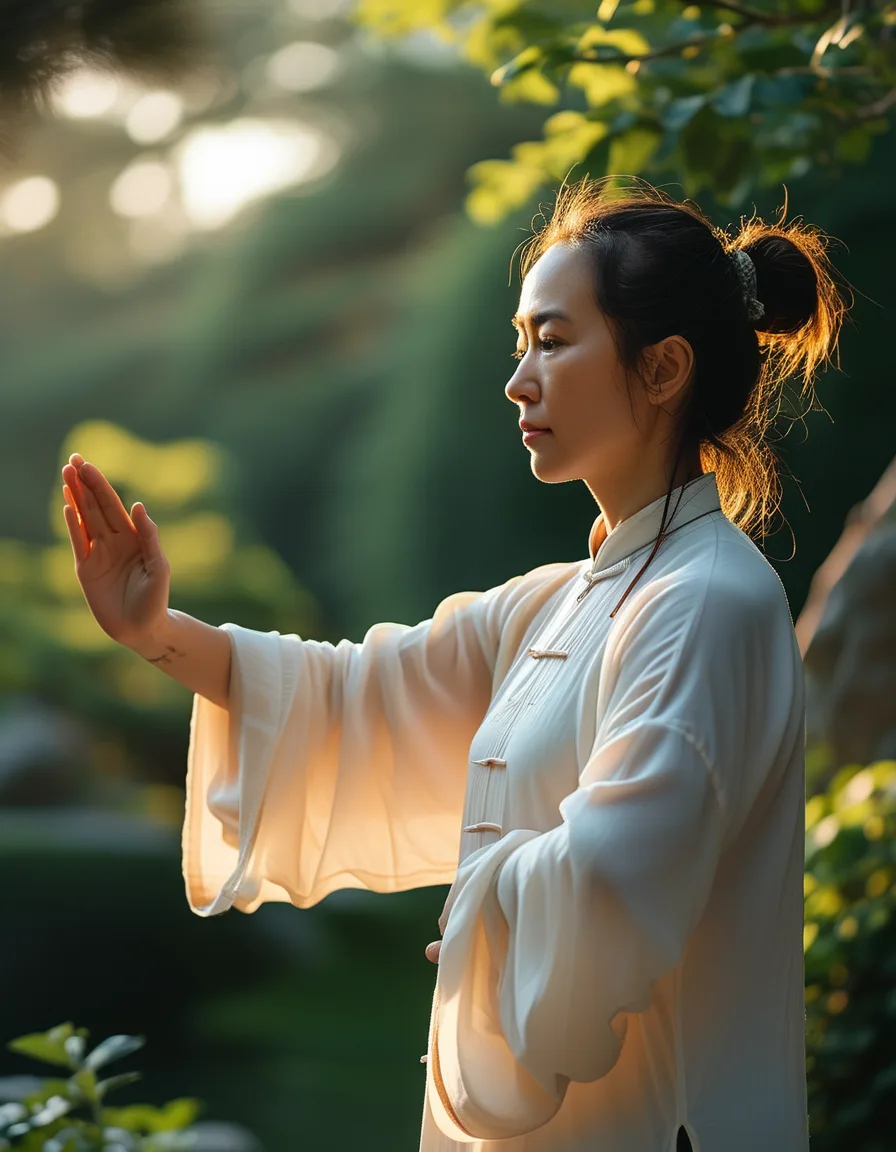
Bringing breath and mind together: the the-slow-deep-belly-breathing (the slow, deep breaths from the belly as the foundation — the the-breath-base), the the-coordinate-breath-with-movement (the letting the breath guide the pace of each movement from the forms logic — the breathe-with-the-flow), the the-relaxed-and-natural (the relaxed, unforced breathing over strained control — the ease-not-effort), the the-attention-on-the-present (the resting attention on the breath, body and movement — the the-focus), the the-return-gently (the returning attention when the mind wanders, without judgment — the the-gentle-return), the the-soft-and-continuous (the smooth, continuous movement matched to the breath from the forms logic — the flow-not-stop), and the the-consistent-practice (the regular practice deepening the effect from the morning logic — the little-and-often).
The Notes to Deepen the Calm
Getting more from the practice: the the-quiet-space (the a calm, quiet setting supporting the meditative state — the the-calm-setting), the the-slow-down-further (the slowing the movements to deepen the focus from the beginners logic — the slower-is-deeper), the the-let-go-of-tension (the consciously releasing tension in the shoulders and jaw — the soften-the-body), the the-morning-or-evening-ritual (the a consistent time anchoring the practice from the morning logic — the the-ritual), the the-patience-and-non-striving (the not chasing a result, but being present — the non-striving), the the-carry-it-off-the-mat (the taking the calm breathing into daily stress from the stress logic — the the-carryover), and the frame (the tai chi breathing and mindfulness as slow belly breathing coordinated with flowing movement and present attention — the calm within the movement. Breathe slow and deep from the belly, let the breath lead the flow, return your attention gently, and practice consistently to deepen the calm).
The slow, flowing movements of tai chi are only half the practice — the breath and mindful attention within them are what make it so deeply calming, transforming it into a moving meditation. Breath is the heart of tai chi because the movements are coordinated with it, slow deep breathing calms the nervous system, the focus quiets a ruminating mind, and this meditative quality is what sets tai chi apart. Practice it with slow, deep belly breathing, coordinating breath with movement, keeping it relaxed and natural, resting attention on the present, returning gently when the mind wanders, and moving softly and continuously. Deepen the calm with a quiet space, slower movements, releasing tension, a consistent morning or evening ritual, patience and non-striving, and carrying the calm breathing into daily stress. The calm within the movement.
Keep Reading
This article is for general informational purposes only and is not medical advice. Always consult a qualified health professional for guidance specific to you.