Why Moving as Slowly as Possible in Tai Chi Still Builds Genuine Muscular Strength
Tai chi’s slow, deliberate movement can look too gentle to actually be building strength, especially next to the heavy breathing and visible strain of a weight room, and that impression is misleading — the same slow, sustained muscle tension that makes tai chi look effortless is quietly applying a real strength-training stimulus the whole time.
Why Slow Sustained Tension Mirrors a Strength Stimulus
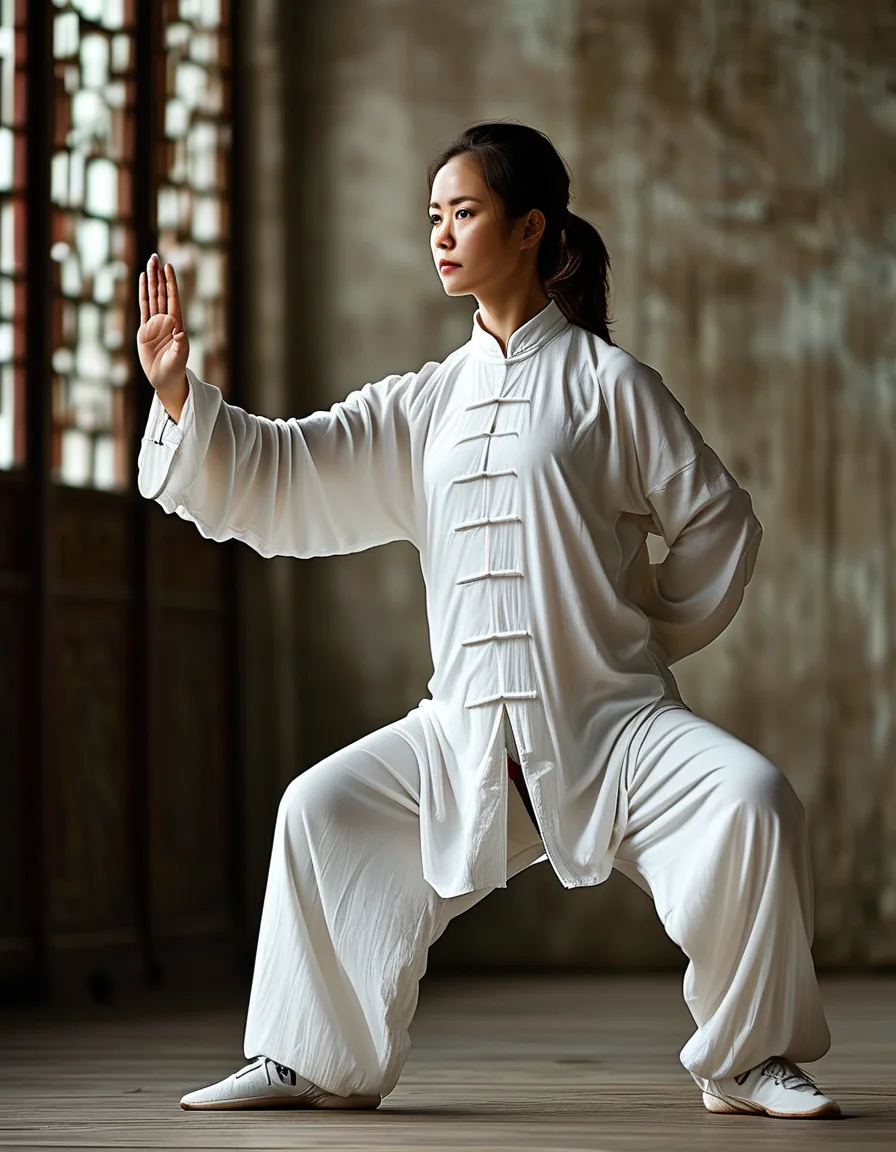
The mechanism: holding-a-low-stance-or-moving-through-a-posture-slowly-keeps-key-muscles-under-sustained-tension-for-extended-periods-a-loading-pattern-similar-to-time-under-tension-strength-training (holding a low stance, or simply moving through a posture very slowly, keeping key leg and core muscles under sustained tension for genuinely extended periods, a loading pattern that closely mirrors time-under-tension approaches used in deliberate strength training, per the tai-chi-forms-basics-guide logic — holding-a-low-stance-or-moving-through-a-posture-very-slowly-keeping-key-leg-and-core-muscles-under-sustained-tension-for-extended-periods-a-loading-pattern-that-mirrors-time-under-tension-strength-training), and the reframe (slowness itself being the mechanism producing the load, not a sign of low load)).
Why That Stimulus Is Easy to Underestimate Without Heavy Breathing
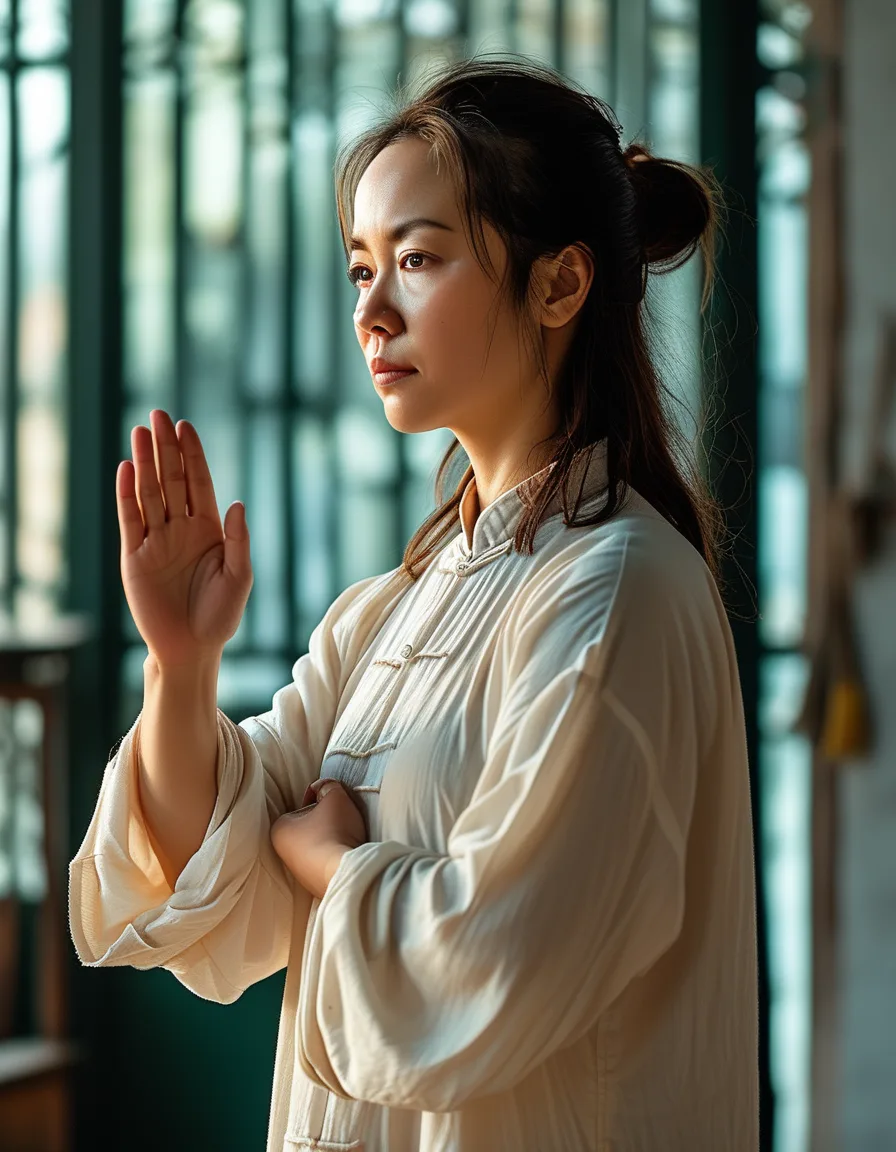
The blind spot: because-tai-chi-produces-little-heavy-breathing-or-visible-strain-the-real-muscular-loading-happening-under-sustained-tension-is-easy-to-mistake-for-no-loading-at-all (because tai chi produces relatively little heavy breathing or visible physical strain compared to conventional exercise, the real muscular loading actually happening under all that sustained tension is easy to mistake entirely for no meaningful loading at all, per the tai-chi-for-joints-arthritis-guide logic — because-tai-chi-produces-little-heavy-breathing-or-visible-strain-compared-to-conventional-exercise-the-real-muscular-loading-happening-under-sustained-tension-is-easy-to-mistake-for-no-meaningful-loading), and the frame (visible strain and actual load being only loosely connected in this specific case)).
How Holding Postures Longer Increases That Hidden Loading
The lever: deliberately-extend-how-long-a-low-stance-or-single-posture-is-held-during-practice-since-longer-time-under-tension-directly-increases-the-strength-stimulus-without-changing-the-movement-itself (deliberately extending how long a low stance or a single held posture is maintained during regular practice, since longer time under tension directly increases the strength stimulus involved, without needing to change the movement itself in any other way, per the morning-tai-chi-routine logic — deliberately-extending-how-long-a-low-stance-or-a-single-held-posture-is-maintained-during-regular-practice-since-longer-time-under-tension-directly-increases-the-strength-stimulus-without-changing-the-movement), and the frame (duration, not intensity of movement, being the lever that scales tai chi’s strength benefit).
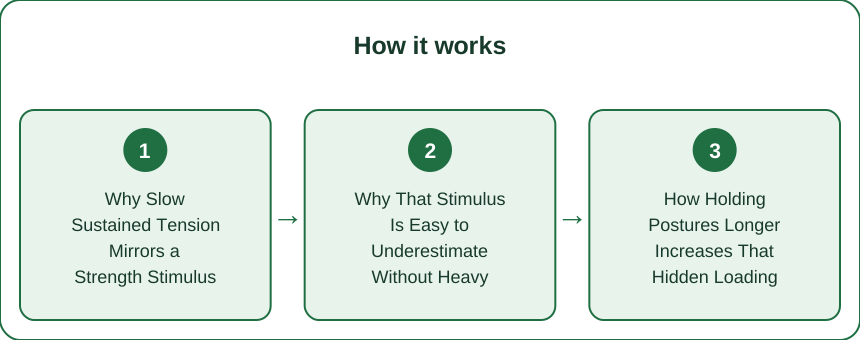
Holding a low stance or moving slowly through a posture keeps key muscles under sustained tension for extended periods, a loading pattern that mirrors time-under-tension strength training, even though the lack of heavy breathing or visible strain makes that real loading easy to mistake for none at all. Deliberately extending how long a low stance or posture is held during practice directly increases that strength stimulus, using duration rather than faster or harder movement as the lever that scales the benefit.
Keep Reading
This article is for general informational purposes only and is not medical advice. Always consult a qualified health professional for guidance specific to you.