Tai Chi for Stress: How the Slowest Exercise Calms the Busiest Nervous Systems
Tai chi’s stress-relief reputation has unusually good receipts — the trials on anxiety, cortisol and mood keep landing — and the mechanism is a masterclass in nervous-system design: slow movement, deep breath and total attention, braided. The tai-chi stress guide.
The Evidence
What the research shows: the anxiety-and-mood trials (the tai chi programs reducing anxiety and depressive symptoms across meta-analyses — the effects comparable to other exercise with a gentleness bonus; the moving-meditation category earning its clinical respect per the calm doctrine), the stress-marker findings (the cortisol-and-blood-pressure improvements in practice studies — the physiological calm, not just reported calm), the sleep dividends (the tai chi improving sleep quality in older adults especially — the insomnia trials from the sleep doctrine’s world), the population breadth (the benefits appearing across ages and fitness levels — the accessibility being part of the efficacy per the accessibility doctrine), and the honest calibration (the tai chi as a strong stress TOOL, not a depression treatment — the professional-care partnership per the mental-health doctrine; the adjunct framing).
The Mechanism
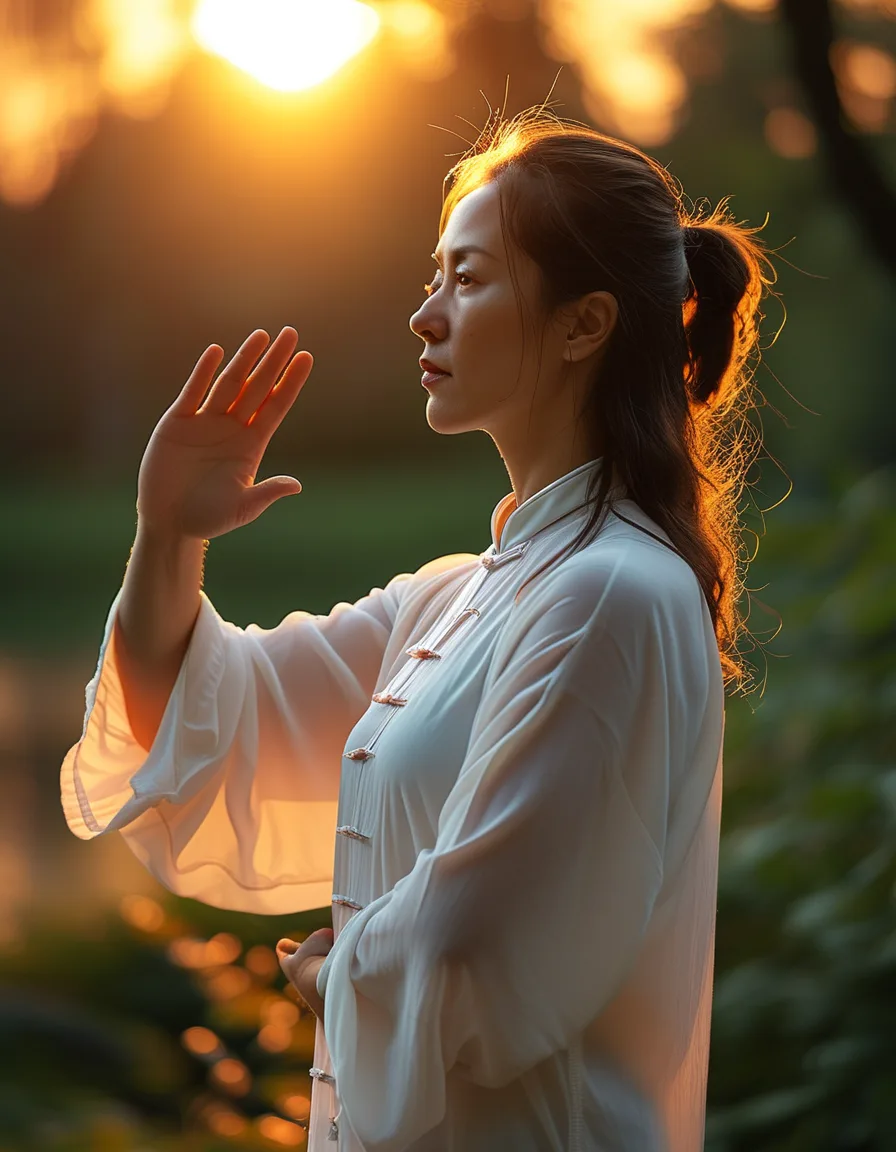
Why slow works: the triple-braid design (the slow movement occupying the body, the breath-pacing calming the physiology, the attention-demand quieting the mind — the three channels captured at once; the rumination having nowhere to run per the mindful doctrine), the breath-movement marriage (the movements paced to slow breathing — the extended exhales built into the form per the breath doctrine; the breathing rate dropping without being told to), the parasympathetic shift (the slow-and-flowing signaling safety to the nervous system — the opposite-of-threat movement vocabulary; the downshift from the nervous-system doctrine choreographed), the attention-anchor richness (the weight shifts, the hand positions, the sequence memory — the busy mind given a full-time job per the meditation doctrine; the fidgety meditator’s format from the walking-meditation doctrine), and the mastery-calm loop (the learning itself being absorbing — the flow state from the flow doctrine; the practice deepening as the sequence automates).
The Stress-Specific Practice
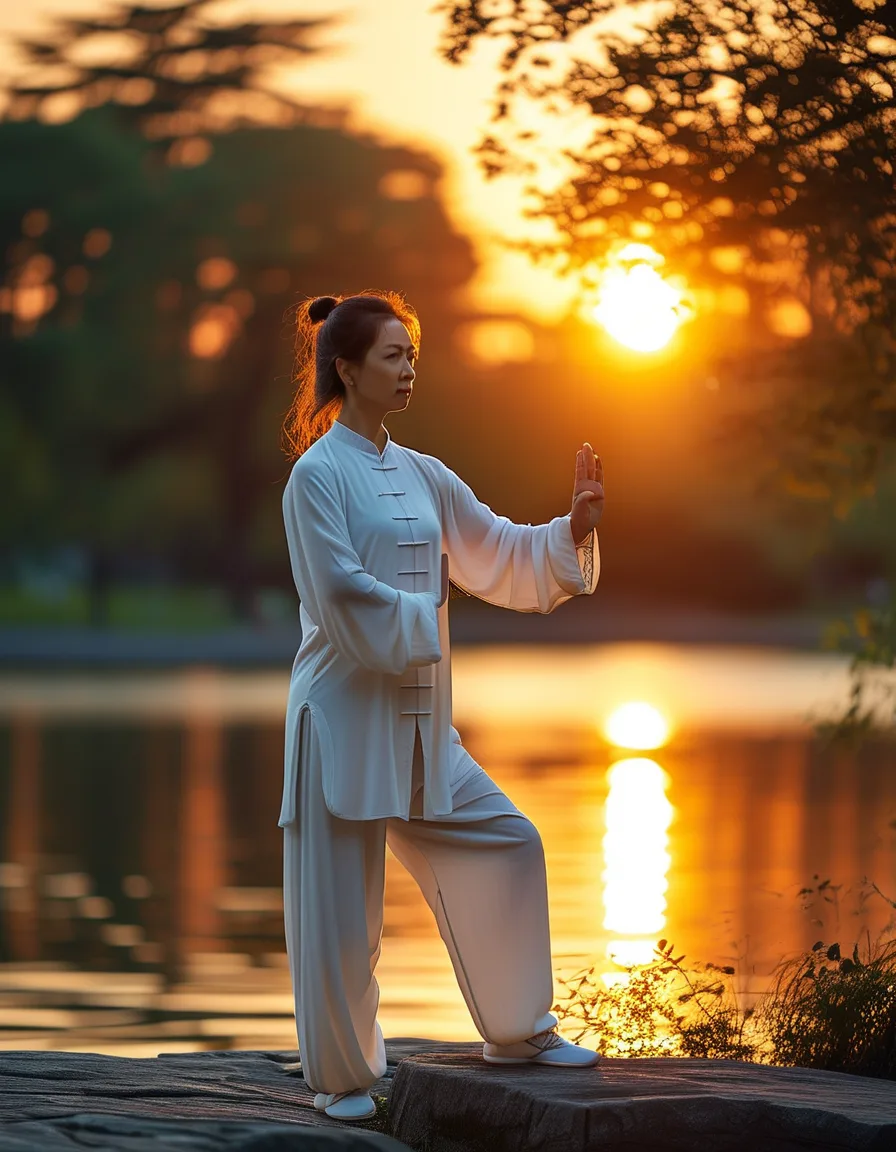
Using it for calm: the dose findings (the studies’ 2-3 weekly sessions — the 20-30 minute home practices counting per the practice doctrine; the daily-ten-minute option from the morning doctrine), the stress-emergency short forms (the three-movement mini-practice for the awful day — the cloud-hands repetitions as the standing reset; the five-minute version being real per the minimal doctrine), the evening application (the slow form as the wind-down from the evening doctrine — the screen-to-sleep bridge; the bedroom-friendly footprint), the workday integration (the standing tai-chi break as the movement snack from the snack doctrine — the meeting-gap cloud hands; the desk-era antidote per the desk doctrine), the learning path (the beginner class-or-video entry from the beginner doctrine — the short-form curriculum: the 8-form and 24-form ladders; the imperfect-form permission: the calm arriving before the precision per the beginner doctrine), the outdoor multiplier (the park practice adding the nature effect from the nature doctrine — the morning-light bonus per the circadian doctrine), and the closing frame (the slowest exercise being the fastest downshift for many — the triple braid of movement, breath and attention; the busy mind, out-slowed; the practice that treats the day’s speed with the opposite medicine). Two-three sessions weekly, cloud hands for emergencies, evening form for sleep: the calm, choreographed.
Tai chi’s stress receipts are real — anxiety, cortisol and sleep all move in trials — because it braids three channels at once: slow movement occupies the body, paced breath calms the physiology, and sequence-attention quiets the mind. Two-three weekly sessions, a three-movement cloud-hands reset for awful days, and calm arrives long before precision does.
Keep Reading
This article is for general informational purposes only and is not medical advice. Always consult a qualified health professional for guidance specific to you.