Barefoot or Shoes? What Actually Matters for Tai Chi Footing
Quick Answer: Barefoot or thin-soled practice gives better balance feedback and is traditional, but a flat, flexible tai chi or martial arts shoe is a reasonable substitute on hard or uneven outdoor surfaces where bare feet risk injury or discomfort. The surface matters more than tradition alone.
Most tai chi instruction leans toward barefoot practice by default, but that guidance was built around indoor wood or mat floors — it doesn’t automatically transfer to a gravel courtyard or a cold concrete patio.
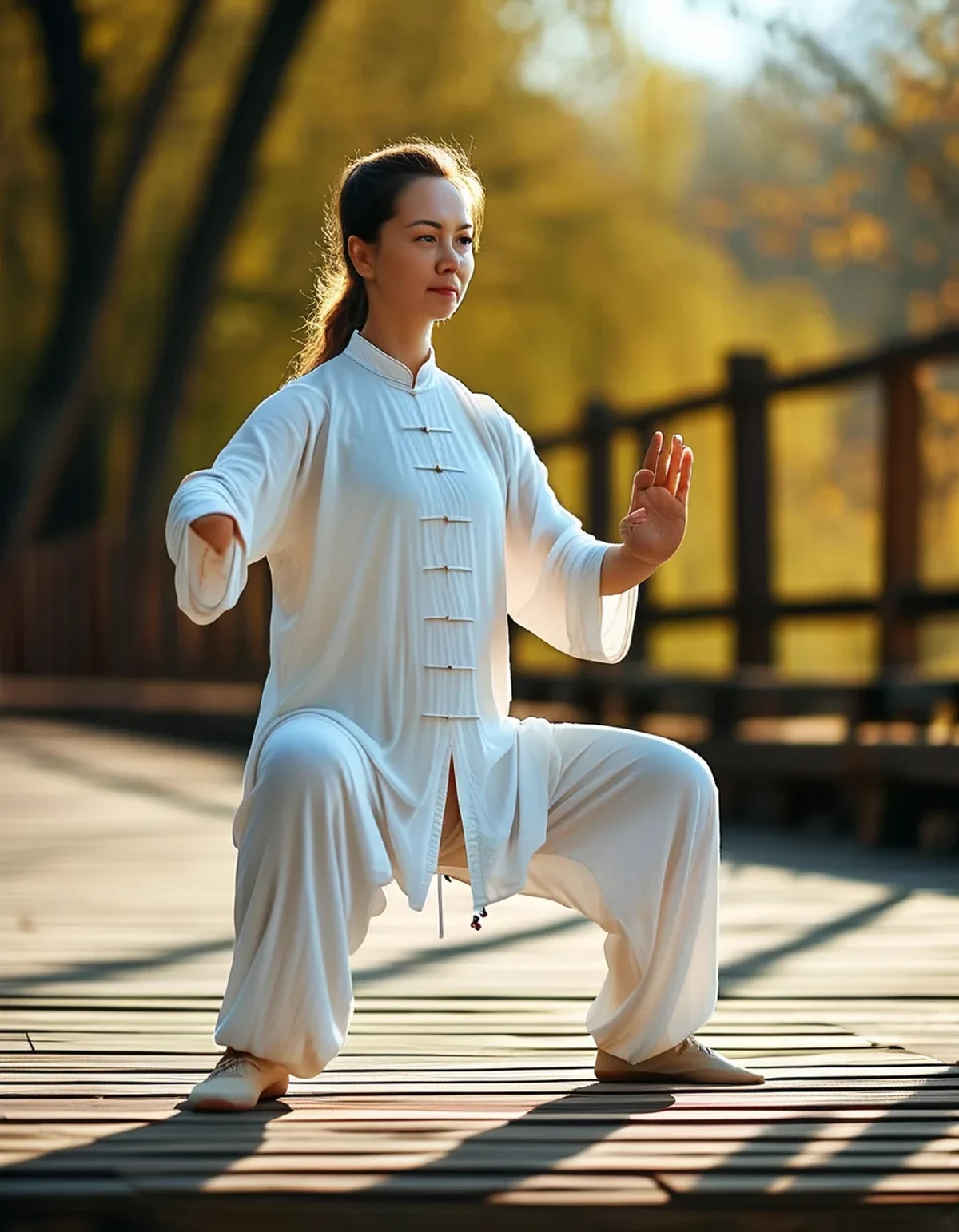
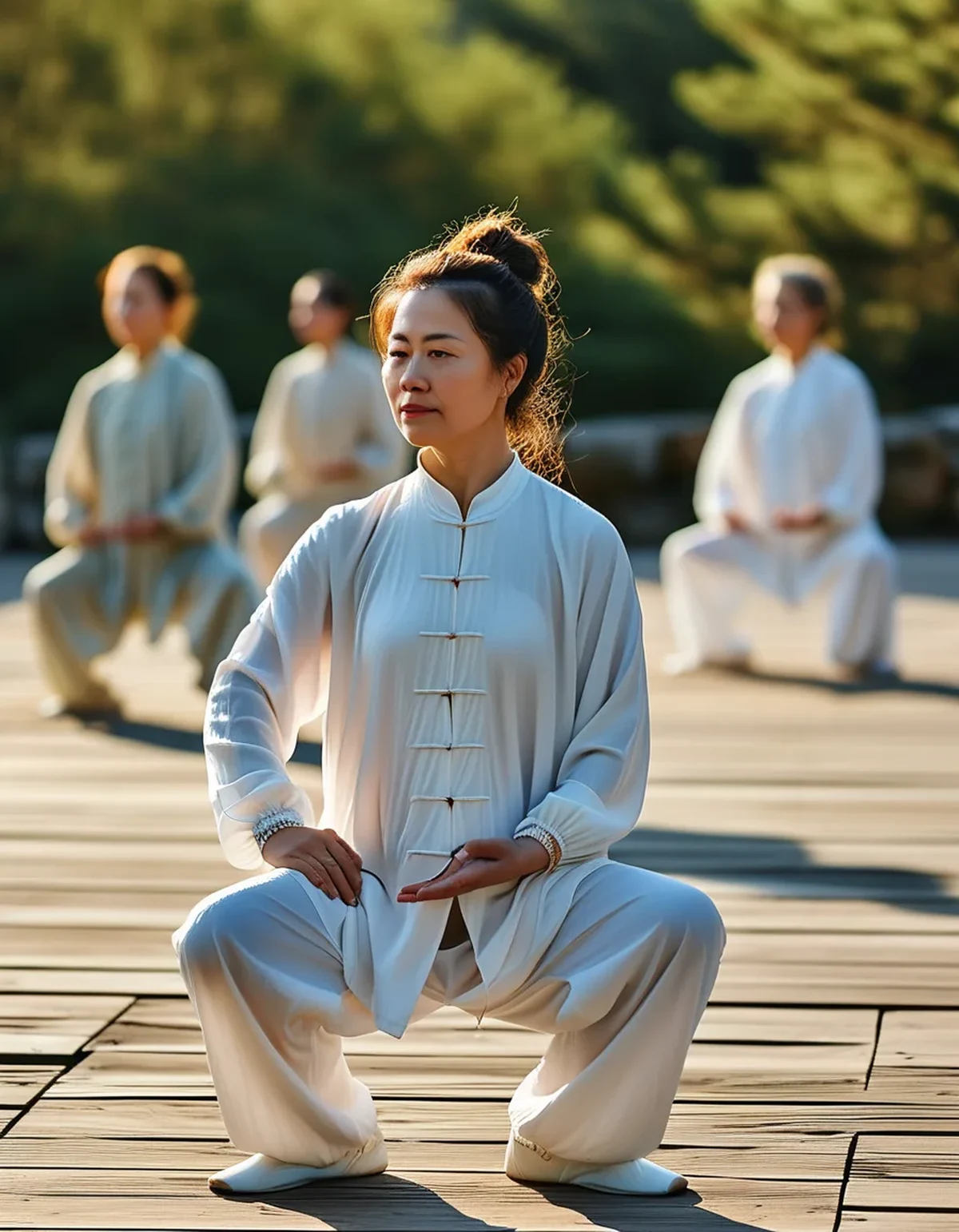
Why is barefoot practice traditionally preferred in tai chi?
Bare feet provide direct proprioceptive feedback from the ground, which is central to tai chi’s emphasis on weight shifting and rooting — you can feel subtle shifts in pressure across the foot that any shoe, even a thin one, partially dampens. This feedback loop is part of why barefoot practice is considered foundational rather than just a stylistic preference.
On a smooth, clean indoor floor, this benefit comes with essentially no downside, which is why it remains the default recommendation.
When does barefoot practice actually become a problem?
Outdoor surfaces — gravel, rough concrete, cold stone, uneven grass — introduce real injury risk (cuts, cold-related joint stiffness, unstable footing) that indoor floors don’t. Practicing barefoot on these surfaces can also cause you to unconsciously tense the feet to protect against sharp or uneven terrain, which works against the relaxed, sinking quality tai chi is trying to build.
In these cases, the theoretical feedback benefit of bare feet is outweighed by the practical risk and the tension it creates.
Myth vs Fact: Tai Chi Footwear
Myth: Any athletic shoe works fine for tai chi as long as it’s comfortable. Fact: Most running or cross-training shoes have too much heel elevation and cushioning, which interferes with the flat, grounded weight shifting tai chi requires.
Myth: Socks are an acceptable substitute for bare feet indoors. Fact: Socks reduce grip and can cause slipping during weight transfers, making them often less safe than either bare feet or a proper flat shoe.
Myth: Shoes always reduce the quality of tai chi practice. Fact: A flat, thin-soled martial arts shoe preserves most of the ground feedback while adding protection — the quality loss is much smaller than assumed.
What actually makes a shoe ‘tai chi appropriate’ if you need one?
Look for a flat sole with minimal to zero heel drop, thin and flexible enough to bend with the foot’s natural movement, and a snug enough fit that it doesn’t shift during weight transfers. Traditional cloth martial arts shoes or minimalist trainers both meet this criteria, while standard cushioned sneakers generally don’t.
The goal of the shoe is to get out of the way of the movement, not to add support or cushioning the way a running shoe would.
FAQ: Tai Chi Footwear Questions, Answered
Is it ever unsafe to practice tai chi completely barefoot indoors?
For most people on a clean, dry indoor floor, barefoot practice is safe and often preferred — the main exceptions are cold floors aggravating joint issues or a history of foot injury.
Do I need special tai chi shoes, or will minimalist sneakers work?
Minimalist, flat, flexible sneakers work well as a substitute if dedicated tai chi shoes aren’t available — the key features matter more than the specific brand or label.
Does the surface matter more indoors, like hard tile versus carpet?
Somewhat — hard tile can be slippery barefoot in socks or with sweaty feet, while carpet can slightly limit smooth foot pivoting, though both are generally fine barefoot.
TL;DR:
- Barefoot practice gives the best balance feedback but assumes a clean, safe indoor surface
- Outdoor gravel, cold stone, or uneven ground make a flat, thin-soled shoe the safer choice
- Socks alone are often less safe than either bare feet or proper shoes due to slipping
- A good tai chi shoe should be flat, flexible, and snug — not cushioned like a running shoe
The barefoot-versus-shoes decision isn’t about tradition alone — match your footing to the actual surface you’re practicing on.
Keep Reading
This article is for general informational purposes only and is not medical advice. Always consult a qualified health professional for guidance specific to you.