Does It Matter Whether You Practice Tai Chi Indoors or Outdoors?
Quick Answer: Outdoor practice adds measurable benefits from natural light exposure (circadian rhythm regulation) and fresh air, and many practitioners report a stronger sense of grounding and calm outdoors specifically. But indoor practice delivers the same core physical benefits — balance, strength, mindfulness — and is often more consistent since it removes weather as a barrier to daily practice.
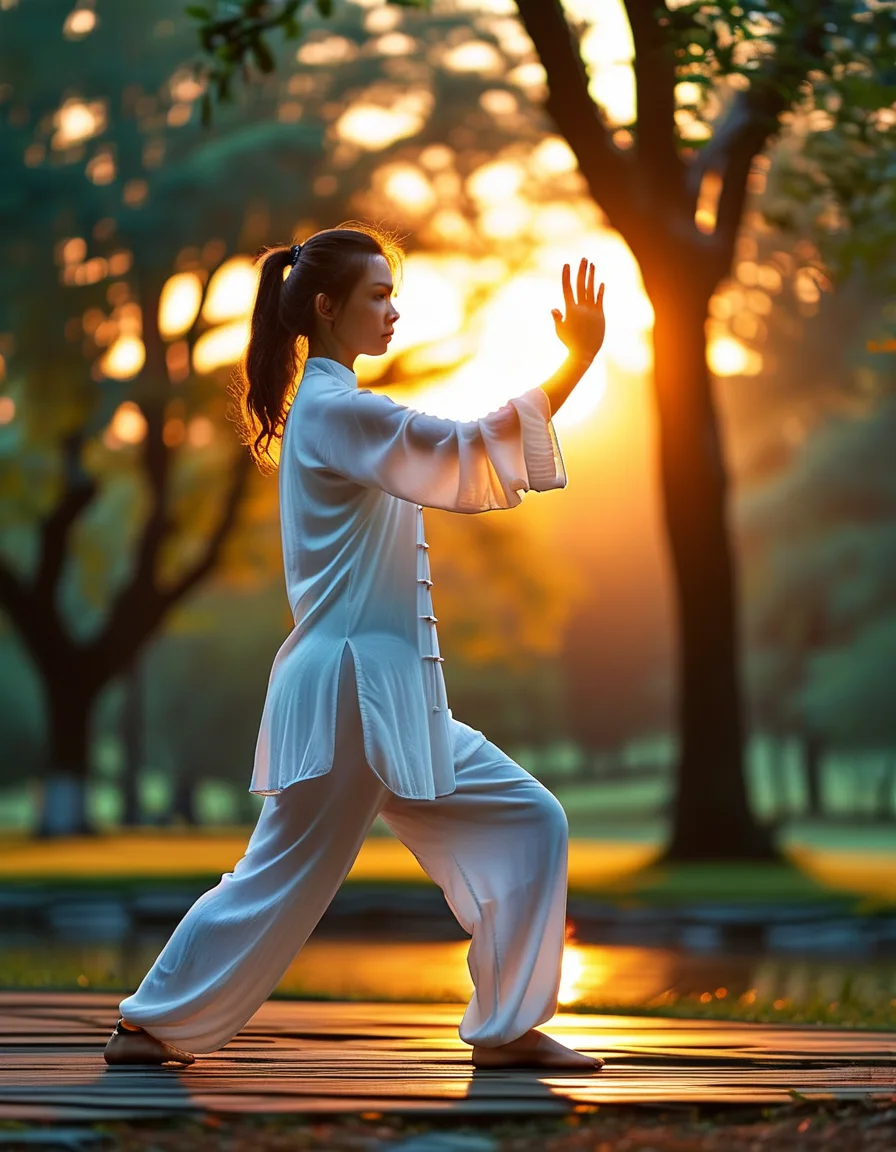
The park-at-sunrise image is culturally iconic, but it’s not a requirement for tai chi to work — it’s more of an enhancement than a necessity, and consistency indoors beats occasional outdoor sessions for most practical purposes.
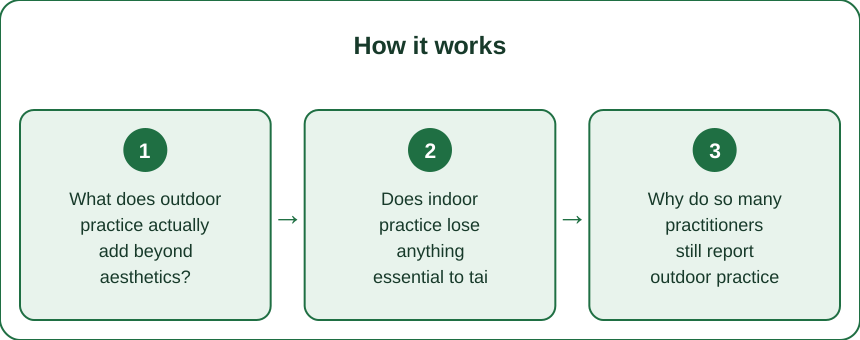
What does outdoor practice actually add beyond aesthetics?
Morning natural light exposure helps regulate circadian rhythm, which is a genuine, measurable physiological benefit independent of the tai chi movements themselves — this is one of the few outdoor-specific benefits with solid research backing beyond subjective preference.
Many practitioners also report that natural, slightly uneven ground and ambient outdoor sounds add a subtle proprioceptive and sensory challenge that flat indoor flooring doesn’t provide, which some argue further develops the balance and body-awareness skills tai chi is already known for — though this effect is more experiential than rigorously measured.
Does indoor practice lose anything essential to tai chi’s actual mechanism?
No — the core mechanisms behind tai chi’s documented benefits (slow controlled weight shifting, breath coordination, mindful movement) are fully present regardless of setting. The physical and mental training effect doesn’t depend on being outdoors; it depends on the quality and consistency of the movement practice itself.
This matters practically because indoor practice removes the single biggest real-world barrier to consistency — weather. A practitioner who does tai chi indoors daily, rain or shine, will generally develop the practice’s actual benefits faster than one who only practices outdoors on convenient days, even though the outdoor sessions might individually feel more pleasant.
Why do so many practitioners still report outdoor practice ‘feels different’?
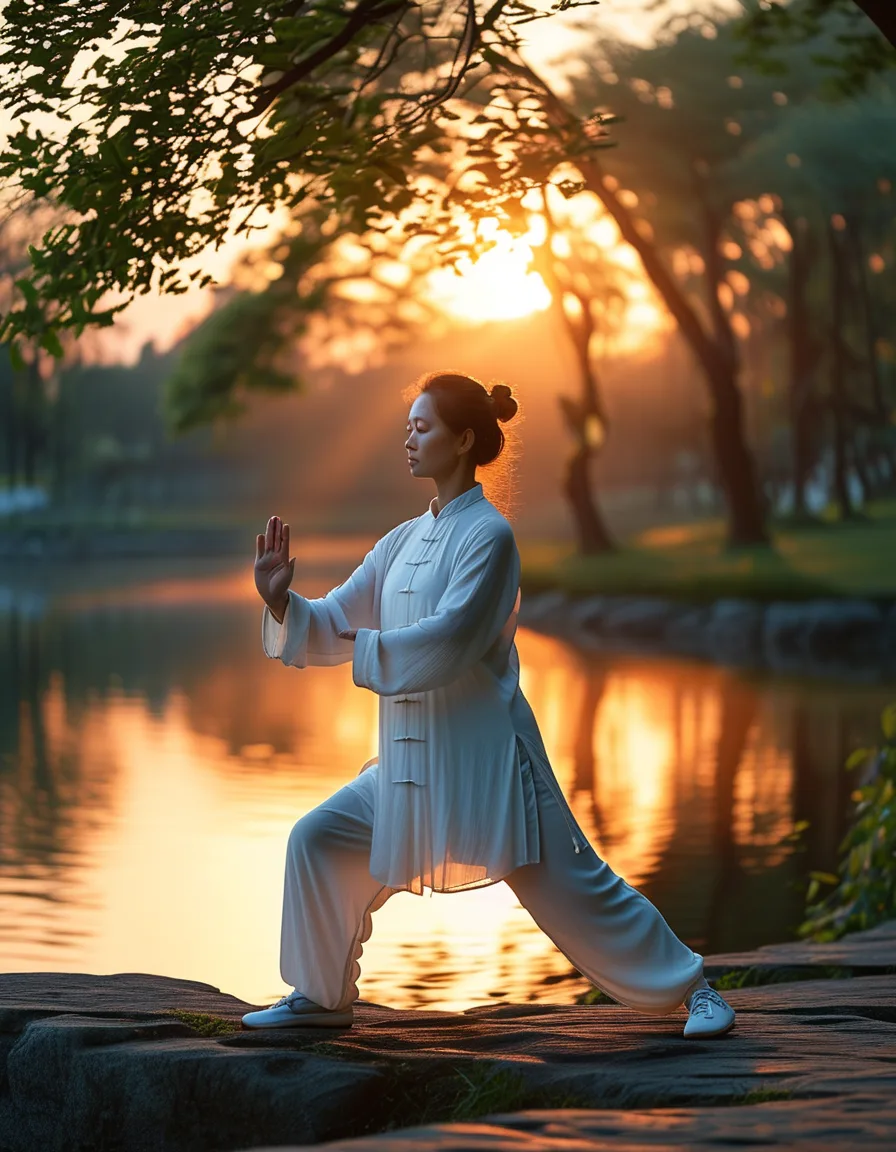
This is a real, commonly reported experience, and it’s likely a combination of factors beyond the movement itself: natural light, fresh air, and the psychological association many people have between nature and calm all contribute to a subjectively deeper relaxation response, layered on top of whatever tai chi itself provides.
It doesn’t mean indoor practice is deficient — it means outdoor settings add a complementary relaxation effect from an entirely separate mechanism (nature exposure, well-documented in its own right for stress reduction) on top of tai chi’s core benefit, rather than tai chi itself working differently based on location.
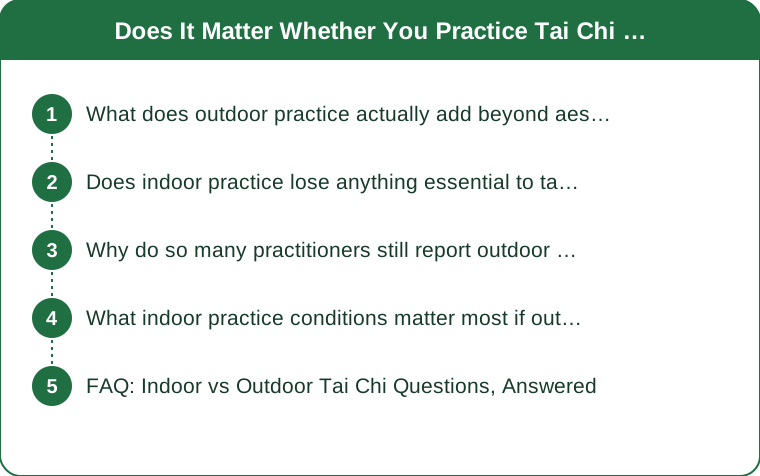
What indoor practice conditions matter most if outdoor isn’t an option?
Adequate space to fully extend limbs and shift weight without bumping furniture is the most practical indoor requirement — a cramped space that forces shortened movements changes the practice more than the indoor setting itself does. A stable, non-slip flooring surface also matters more indoors, where floor materials vary widely (hardwood, tile, carpet) compared to relatively consistent outdoor ground.
Good natural light through a window, if available, is a reasonable partial substitute for the circadian benefit of full outdoor light, even though it’s not equivalent in intensity to direct outdoor morning light.
FAQ: Indoor vs Outdoor Tai Chi Questions, Answered
Is early morning still the best time to practice tai chi indoors?
The traditional morning timing has some genuine basis (regulating the body for the day, quieter mind before daily stressors accumulate) that applies indoors too, though it’s less strictly necessary indoors than the light-exposure argument for outdoor practice.
Does practicing on carpet versus hardwood floor matter for tai chi?
Somewhat — a very soft or uneven carpet surface can slightly compromise the stable footing and weight-shifting precision tai chi relies on; a firm, flat surface generally works better regardless of material.
Should beginners start indoors or outdoors?
Either works, but indoors removes one variable (weather, distraction, uneven ground) while learning the fundamental movements, which some find easier to focus on before adding outdoor practice once the basic forms feel more automatic.
TL;DR:
- Outdoor practice adds real circadian and possibly proprioceptive benefits beyond the movements themselves
- Indoor practice retains tai chi’s full core mechanism — nothing essential is lost
- The ‘different feeling’ outdoors likely comes from separate nature-exposure benefits layered on top
- Adequate space and stable flooring matter more indoors than the setting itself
Outdoor practice is a genuine enhancement worth pursuing when convenient — but indoor consistency will out-benefit occasional outdoor sessions for most people building the actual skill.
Keep Reading
This article is for general informational purposes only and is not medical advice. Always consult a qualified health professional for guidance specific to you.