Why Your Hands Feel Tense During Slow Tai Chi Movements (Even When Your Body Feels Relaxed)
Quick Answer: Hand tension in tai chi usually comes from unconsciously ‘gripping’ an imaginary object or bracing for balance, a habit carried over from daily tasks that require active grip — the fix is deliberately softening the fingers and wrist while keeping the hand’s shape, not just telling yourself to relax.
You’ve worked hard on releasing tension from your shoulders and knees during tai chi practice, and it’s paid off — until you look down mid-form and notice your fingers are curled slightly inward, your wrist is subtly locked, and your hand hasn’t actually relaxed at all.
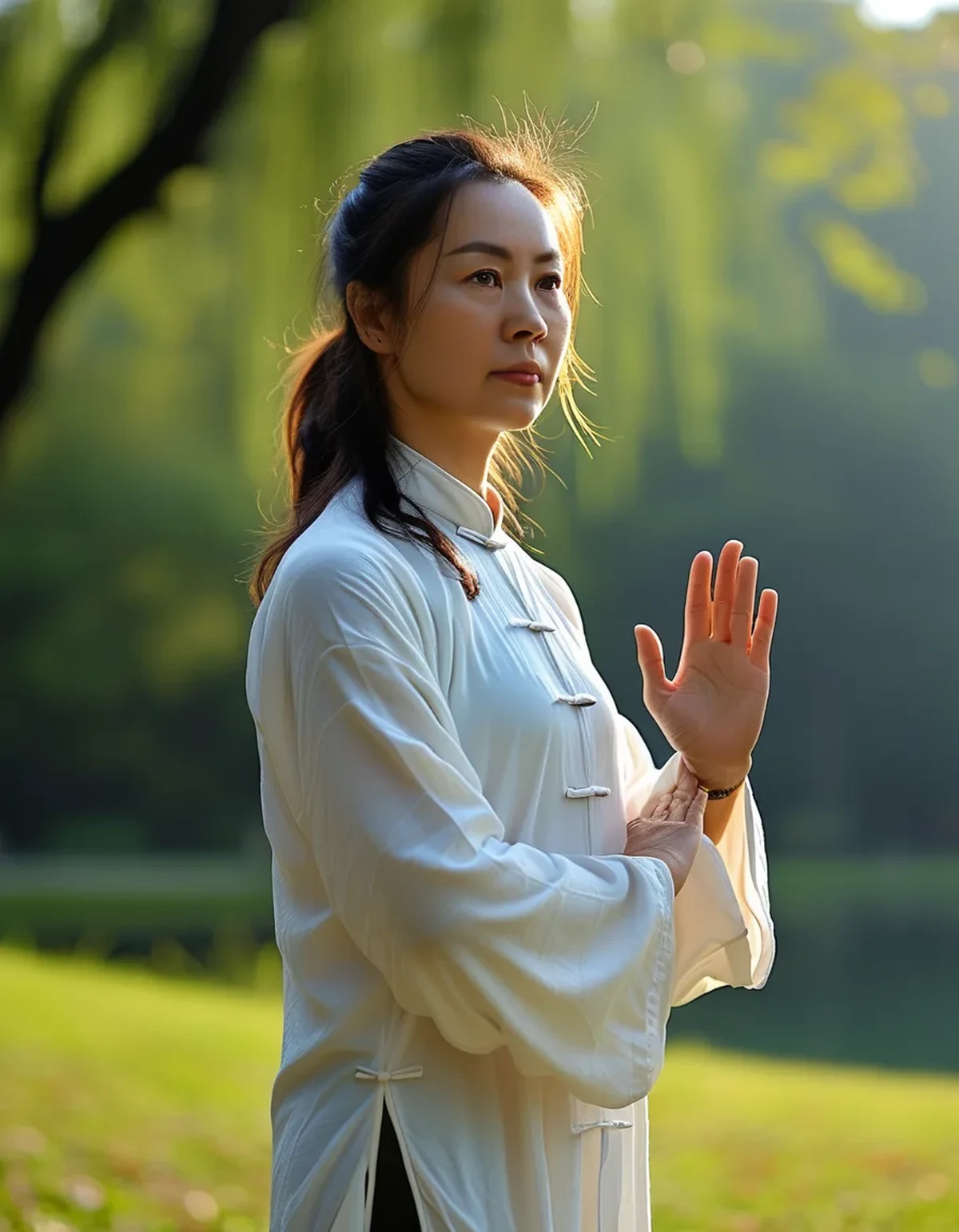
Why do hands specifically hold onto tension longer than the rest of the body?
Your hands are involved in active gripping tasks constantly throughout daily life — holding a phone, a steering wheel, a bag handle — far more often than your shoulders or hips are asked to actively brace. That habitual gripping pattern is deeply ingrained and doesn’t automatically switch off just because the rest of your body has relaxed into the form.
What does a properly relaxed tai chi hand actually look like?
A relaxed hand in tai chi keeps a soft, slightly open curve — not floppy or limp, but not gripped either. Fingers are gently separated rather than pressed together, and the wrist stays neutral rather than bent sharply up or down. The hand should feel like it’s holding something delicate without squeezing it, present but not tense.
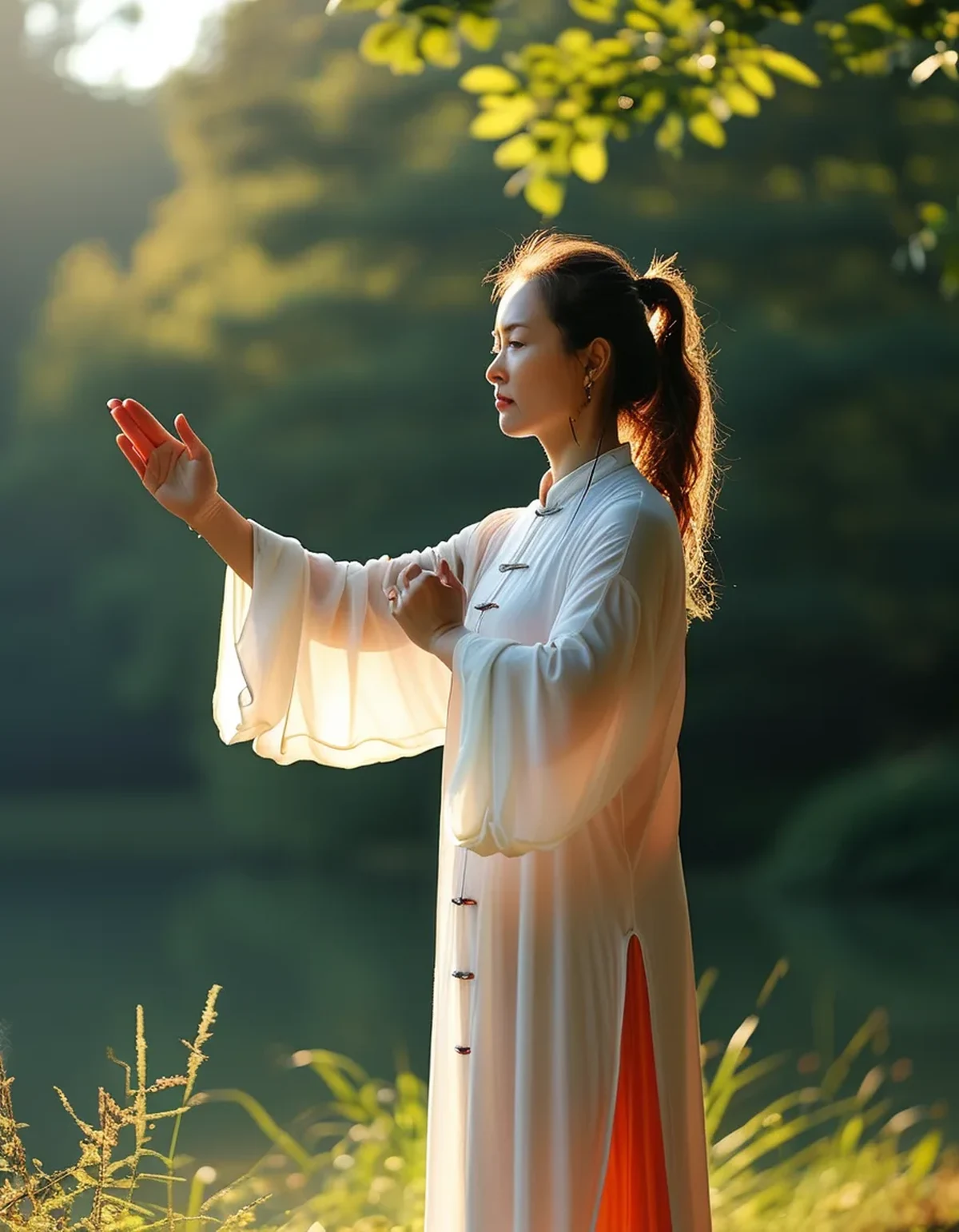
How can you actually train your hands to release tension?
Shake your hands out loosely for 10-15 seconds before starting your form — this resets the baseline tension level. During practice, periodically glance down at your hands specifically (not just your overall posture) since tension there is easy to miss without a direct visual check.
Some instructors recommend imagining you’re holding a small bird gently enough not to hurt it but firmly enough that it doesn’t fly away — a specific, physical image often works better than the abstract instruction to ‘relax.‘
Does hand tension actually affect the rest of your form?
Yes — tension tends to travel. A gripped hand often pulls tightness up through the wrist and forearm, which can subtly stiffen the shoulder even if the rest of your body posture looks relaxed. Releasing the hands specifically often produces a noticeably smoother, more connected feel through the whole arm.
FAQ: Hand Tension in Tai Chi, Answered
Is some hand tension normal for beginners?
Yes, very common — new practitioners are focused on so many things (weight shift, breathing, sequence) that hand relaxation is often the last thing to click, sometimes taking months longer than other tension release.
Does hand shape differ between tai chi styles?
Yes, slightly — some styles favor a slightly more open palm, others a softer curl, but the underlying goal of relaxed, non-gripping tension is consistent across styles.
Can wrist tension from typing or phone use make this harder to fix?
Yes — daily repetitive gripping tasks reinforce the very habit tai chi is trying to undo, so people with high daily phone or keyboard use sometimes need more deliberate practice to release it.
TL;DR:
- Hand tension lingers because daily life constantly reinforces active gripping habits
- A relaxed tai chi hand stays softly curved, not limp and not clenched
- Shaking hands loose before practice and checking them specifically mid-form both help
- Hand tension can travel up through the wrist and shoulder, subtly stiffening your whole arm
Relaxed hands are often the last piece to click in tai chi — give them the same deliberate attention you gave your shoulders and knees.
Keep Reading
This article is for general informational purposes only and is not medical advice. Always consult a qualified health professional for guidance specific to you.