Why the Breath-to-Movement Ratio Matters More Than Getting the Form Right
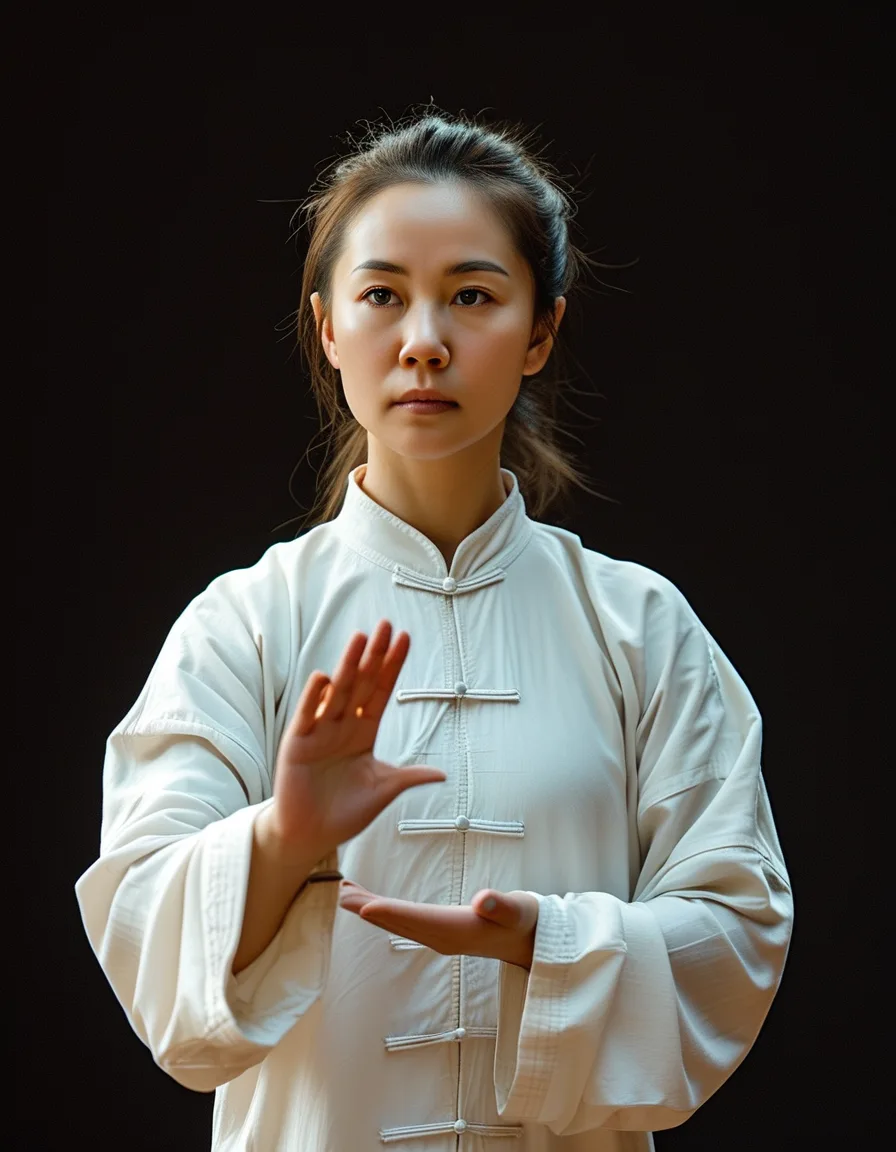
New tai chi students focus almost entirely on getting the hand and foot positions right, treating breath as something that will just happen naturally alongside the movement. But the tradition’s calming, nervous-system benefits come specifically from matching each movement’s pace to a slow, even breath count, and form without that timing is closer to slow-motion stretching than tai chi.
Why Form Gets All the Attention First
The visible priority: hand positions, weight shifts, and stepping patterns being the parts of tai chi that are easiest to see, correct, and compare against an instructor’s demonstration, which naturally pulls a beginner’s focus toward getting the shapes right.
Why Breath Timing Is Actually Doing the Real Work
The physiological mechanism: tai chi’s stress-reducing, parasympathetic nervous system effects coming specifically from the slow, even breathing paced to match each movement, not from the movements themselves, which means rushing through correct-looking form without matching breath skips the actual benefit.

Why Form and Breath Get Treated as Separate Things
The overlap: a student can execute technically accurate form while breathing shallowly and irregularly, and from the outside it still looks like correct tai chi, which is why breath timing gets deprioritized even though it’s doing the physiological heavy lifting.
How to Actually Practice With Breath in Mind
The practical adjustment: slowing the entire form down until each movement phase, in the earlier practice, comfortably matches one full inhale or exhale, even if that means moving slower than the group pace, and the frame (breath timing drives tai chi’s calming benefit more than form accuracy — matching each movement to a slow, even breath is what actually makes it work.)
New tai chi students focus almost entirely on getting hand and foot positions right, treating breath as something that will just happen naturally. But the tradition’s calming, nervous-system benefits come specifically from matching each movement’s pace to a slow, even breath count, and form without that timing is closer to slow-motion stretching than tai chi. A student can execute technically accurate form while breathing shallowly, and from the outside it still looks correct, which is why breath timing gets deprioritized even though it’s doing the physiological work. Slowing the whole form down until each movement matches one full inhale or exhale is what actually makes it effective.
Keep Reading
This article is for general informational purposes only and is not medical advice. Always consult a qualified health professional for guidance specific to you.